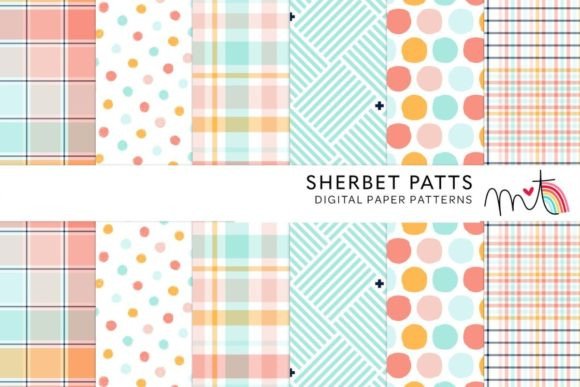
Sherbet Digital Papers: Vibrant 12×12 PNG Backgrounds for Real Creative Work
When you’re designing a birthday card at midnight, prepping a classroom activity before first bell, or assembling a memory-keeping digital scrapbook after the kids are asleep—what you really need isn’t another abstract design tool. You need something immediate, reliable, and full of personality. That’s where Sherbet Digital Papers comes in: a curated collection of 6–12 high-resolution (300ppi), 12×12 inch .PNG background papers—bright, textured, and ready to drop into your workflow without fuss.
What Exactly Is Sherbet Digital Papers?
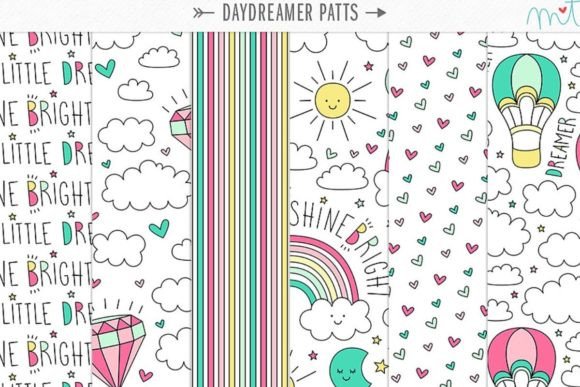
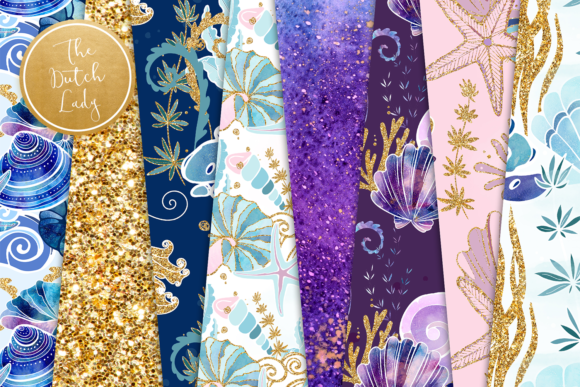
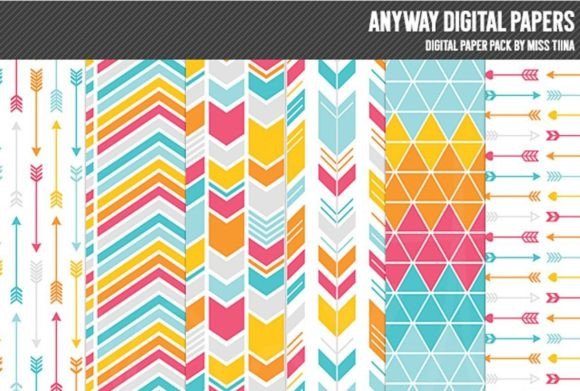
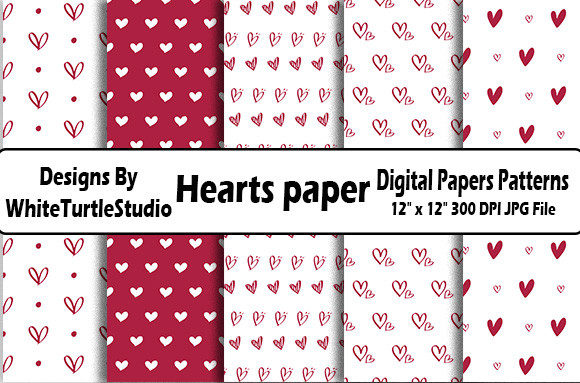
Think of it as a digital craft supply cabinet—opened, organized, and stocked with just the right kind of paper. Not generic stock textures, but thoughtfully designed backgrounds that behave like real paper: soft grain, subtle shadows, gentle color transitions, and crisp edges—all preserved in transparent-background .PNG format. Each pattern is sized precisely at 12×12 inches and rendered at 300 pixels per inch, so whether you’re printing a 5×7 greeting card or layering five elements into a digital layout, nothing blurs, stretches, or loses fidelity.
Where These Papers Actually Show Up in Everyday Life
You don’t need to be a “digital scrapbooker” to benefit from Sherbet Digital Papers. In fact, most people using them aren’t labeling themselves that way at all—they’re teachers, small-business owners, homeschool parents, church volunteers, or even therapists building visual aids. Here’s how it plays out in real settings:
- Educators building printable resources: A third-grade teacher creates a “fraction pizza” worksheet—not by wrestling with gradients in Canva, but by placing a clean sherbet-patterned background behind her hand-drawn slices. The paper adds warmth and visual hierarchy without competing with content. Bonus: it prints cleanly on standard copy paper and holds up well when laminated.
- Small-batch card makers: Someone running an Etsy shop for custom sympathy cards uses one of the muted pastel patterns as a base layer—then overlays delicate line-art florals and handwritten fonts. Because the background is 300ppi and 12×12, scaling down to 4.25×5.5 inches preserves every whisper of texture, giving physical prints a tactile, almost letterpress-like depth.
- Digital planners and habit trackers: A freelance writer building a Notion dashboard pulls in a soft citrus-toned Sherbet Digital Paper as the header background for her weekly review page. It’s not just decorative—it subtly cues focus and energy without visual noise. Since it’s a .PNG with transparency support, she can easily mask parts of it to fit non-rectangular frames or blend it under semi-opaque text boxes.
- Homeschool families making learning kits: A parent preparing a phonics matching game exports flashcards with consistent backings—using the same sherbet paper across all 48 cards. That uniformity helps kids recognize card sets at a glance, while the light texture reduces glare on tablets during screen-based practice.
Who Finds It Especially Useful—and Why
The strength of Sherbet Digital Papers lies in its quiet versatility—not flashy features, but thoughtful constraints. Designers who work across multiple tools (Procreate, Photoshop, Affinity Designer, Canva, even Google Slides) appreciate that these files open and behave predictably everywhere. No font dependencies. No layered PSDs to unpack. Just drag, drop, and go.
It’s also a rare resource for users who care about output quality *and* accessibility. Because each paper is flat-color or softly graded—not overly busy or high-contrast—it supports readability when overlaid with text or icons. One special-ed teacher shared how she swaps between two sherbet patterns—one with slightly higher luminance—for students who need reduced visual load during interactive lessons.
Things to Keep in Mind Before You Start Using Them
While Sherbet Digital Papers is built for ease, a few practical notes help avoid hiccups:
- File format matters: These are .PNGs—not JPEGs or SVGs—so they retain transparency and edge clarity. But that also means they’re larger in file size than compressed alternatives. If you’re embedding dozens into a single Canva presentation, consider optimizing final exports rather than editing raw files directly in low-bandwidth environments.
- Scale with intention: Though they’re 12×12 at 300ppi, shrinking them *too far* (e.g., down to 2×2 inches for tiny UI elements) may mute subtle textures. For micro-uses, test print or zoom in at 100% to confirm detail retention.
- Licensing is straightforward—but check scope: Personal, commercial, and small-team use is covered, including printed products like cards or classroom handouts. What’s not included? Reselling the papers as standalone assets or bundling them into template kits for redistribution. When in doubt, the license is clearly linked with each download—no legalese acrobatics.
- Color consistency isn’t automatic: Monitors vary. If you’re matching a sherbet paper to branded Pantones or fabric swatches, soft-proof in your editing app or pull a physical proof first. The files are RGB-optimized for screen and inkjet/laser output—not CMYK press workflows—so fine-tuning may be needed for professional offset runs.
Why “Just Enough” Design Often Works Best
There’s a quiet confidence in Sherbet Digital Papers that stands out in today’s overload of maximalist templates. These aren’t “busy” backgrounds shouting for attention. They’re calm, intentional surfaces—designed to hold space for your words, photos, illustrations, or lesson plans. A kindergarten teacher told us she stopped using cartoonish clipart backdrops after switching to sherbet papers: “My students actually look *at* the content now—not past it, hunting for the hidden animal in the border.”
That same restraint makes them adaptable across seasons and subjects. A coral-and-mint pattern works for spring science reports, summer camp newsletters, *and* fall gratitude journals—not because it’s neutral, but because it’s emotionally resonant without being prescriptive.
Real Use, Not Just Pretty Pixels
At its core, Sherbet Digital Papers answers a simple question many creatives ask mid-project: “How do I make this feel handmade—without spending three hours sourcing and scanning vintage paper?” It bridges the gap between digital speed and analog warmth. Whether you’re prepping a 10-minute devotional slide for Sunday, drafting a client proposal with branded flair, or helping your child illustrate a book report, these papers offer consistency, charm, and zero friction.
And because they’re delivered as individual .PNGs—not locked templates or subscription-only libraries—you own them. No expiring links. No login walls. Just clean, usable files that live where you work, quietly elevating what you make.