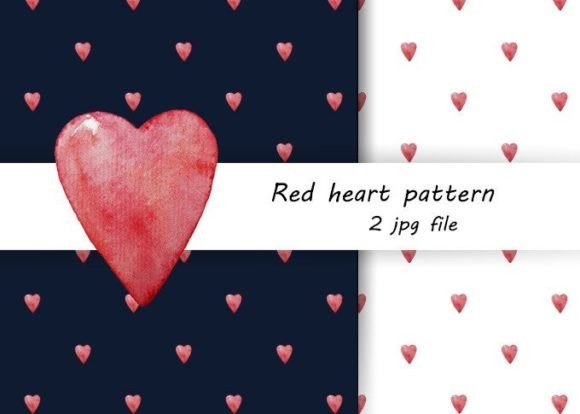
Red Heart: Timeless Symbol, Modern Design Asset
Where Seamless Red Heart Patterns Add Real Value
- Branding & Packaging Design: A subtle Red Heart repeat in background textures adds warmth and approachability to eco-friendly product packaging or wellness-focused brands — reinforcing care and authenticity without overt messaging.
- Digital Marketing & Social Media: Use cropped sections as dynamic backgrounds for Instagram carousels or email headers. Their balanced density ensures readability over text overlays and performs well across device sizes.
- Textile & Product Development: Ideal for baby fabric, bedding, and apparel lines where softness, repetition, and non-distracting rhythm support comfort and visual calm — especially important in pediatric or lifestyle contexts.
- Editorial & Print Design: Layer beneath typography in lookbooks or annual reports to add tactile depth without competing for attention. The 300 DPI resolution guarantees fidelity in both offset and digital print runs.
Designing with Intention: Tips for Best Results
First, consider your audience and platform. A delicate Red Heart motif may enhance a luxury skincare line’s gift wrap but could feel incongruous in a tech startup’s UI kit — unless deliberately subverted for contrast. Always test patterns at actual usage scale: zoom out to 25% to assess rhythm and flow, then zoom in to verify edge alignment and pixel clarity.
Second, evaluate compatibility with your existing color palette and typography system. These files use an RGB profile optimized for screen and print-ready output, but always soft-proof before finalizing CMYK conversions for packaging. If integrating into web design, convert select variants to SVG or CSS patterns for responsive performance — the high-res source files give you flexibility to generate optimized derivatives.
Third, remember that repetition isn’t redundancy — it’s rhythm. Seamless patterns establish visual cadence, supporting user navigation in UI interfaces and reinforcing memory in branding. Used sparingly (e.g., as a watermark or subtle border), they function as quiet signatures. Used boldly (e.g., full-bleed fabric or wall mural), they become immersive brand environments.